Drug use among the Karzai government forces in Afghanistan is old news. That country is, after all, the world’s leading producer of opium, and high government officials, including the President’s brother, are widely believed to be among the kingpins in the heroin trade. Now comes a report, in Monday’s New York Times, that government troops in Iraq have been sliding in the same direction. Reporters Timothy Williams and Omar al-Jawoshy write from Baghdad:
“A growing number of Iraqi security force members are becoming dependent on drugs or alcohol, which has led to concerns about a significant addiction problem among the country’s armed services as the insurgency remains a potent force and American troops prepare to depart at the end of next year.”
The reporters’ sources estimate that in some regions of Iraq, as many as half the officers and soldiers, including high-ranking officers, use drugs and/or alcohol while on duty. Based on dozens of interviews, they write that alcohol and drug use among Iraqi police and military “has become increasingly common and appears to have grown significantly during the past year or so.”
Some of the troops use drugs “to help us forget that we are hungry.” Others use drugs to subdue their anxiety, fatigue, and boredom. Officers look the other way because drug use makes some of the fighters fearless in combat. It also makes them reckless. Drug use was believed involved in recent incidents where Iraqi forces massacred civilians and also turned on one another. Generally, the growing drug use contributes to lack of discipline and cohesion.
The units with the biggest drug habits appear to be those with the most challenging assignments: manning checkpoints in contested areas, and members of special forces teams that do night raids, assassinations, and other “counter-terrorist” work. The article leaves the impression that Iraqi forces are not prepared to perform this kind of work when their minds are clear.
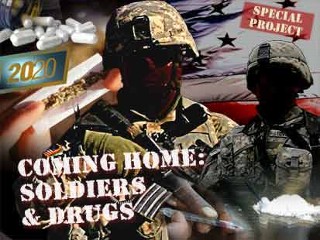
The Times article says nothing about drug use among American and other allied forces in the country. We already know from other sources that numerous GI’s have come home from the Iraqi theatre with serious substance abuse problems. Significant drug use by British troops has also been documented.
The Times’ reporters unfortunately have nothing to report about the drug situation among the “insurgent” forces, other than to speculate that some “insurgent” groups are helping to import the drugs from Afghanistan and other countries, with transparent motives. But commerce is not necessarily also consumption. Are the resistance fighters, unlike the government forces, capable of doing what they do with minds unimpaired by addictive substances? It would be an interesting chapter in the study of guerrilla warfare to know how the use of addictive substances by one side or another, or both, affects the methods of the struggle and its ultimate outcome.
The spread of drug use on the scale that the Times article reports could not occur without the complicity of the highest command. Iraq does not have the domestic drug production capacity of an Afghanistan or a Colombia, but abundant opportunities for profit exist whenever there is widespread consumption. To the bulging catalogue of corruption already compiled by the principals of the current Iraqi ruling groups, a new chapter on drug trafficking will need to be added.
Looking at world events through the lens of the addiction issue is, for an American, a bitter experience. Here I sit, more than 18 years clean and sober, having invested the better part of my life in building a new roadway out of addiction, and I see my government spending my tax money (and the blood of my compatriots) propping up a set of foreign regimes that grow fat on building more roads into addiction.
Some of the troops use drugs “to help us forget that we are hungry.” Others use drugs to subdue their anxiety, fatigue, and boredom. Officers look the other way because drug use makes some of the fighters fearless in combat. It also makes them reckless. Drug use was believed involved in recent incidents where Iraqi forces massacred civilians and also turned on one another. Generally, the growing drug use contributes to lack of discipline and cohesion.
The units with the biggest drug habits appear to be those with the most challenging assignments: manning checkpoints in contested areas, and members of special forces teams that do night raids, assassinations, and other “counter-terrorist” work. The article leaves the impression that Iraqi forces are not prepared to perform this kind of work when their minds are clear.
The Times article says nothing about drug use among American and other allied forces in the country. We already know from other sources that numerous GI’s have come home from the Iraqi theatre with serious substance abuse problems. Significant drug use by British troops has also been documented.
The Times’ reporters unfortunately have nothing to report about the drug situation among the “insurgent” forces, other than to speculate that some “insurgent” groups are helping to import the drugs from Afghanistan and other countries, with transparent motives. But commerce is not necessarily also consumption. Are the resistance fighters, unlike the government forces, capable of doing what they do with minds unimpaired by addictive substances? It would be an interesting chapter in the study of guerrilla warfare to know how the use of addictive substances by one side or another, or both, affects the methods of the struggle and its ultimate outcome.
The spread of drug use on the scale that the Times article reports could not occur without the complicity of the highest command. Iraq does not have the domestic drug production capacity of an Afghanistan or a Colombia, but abundant opportunities for profit exist whenever there is widespread consumption. To the bulging catalogue of corruption already compiled by the principals of the current Iraqi ruling groups, a new chapter on drug trafficking will need to be added.
Looking at world events through the lens of the addiction issue is, for an American, a bitter experience. Here I sit, more than 18 years clean and sober, having invested the better part of my life in building a new roadway out of addiction, and I see my government spending my tax money (and the blood of my compatriots) propping up a set of foreign regimes that grow fat on building more roads into addiction.